
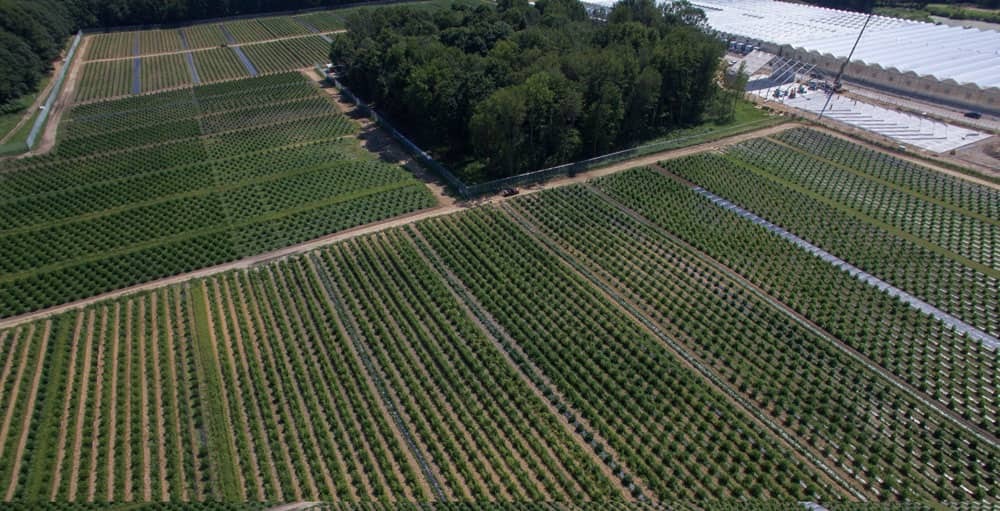
As the cannabis industry continues to grow in Canada, its environmental footprint has become an increasingly important topic of discussion. Cannabis cultivation, particularly on a large scale, requires significant resources, including water, energy, and land. While the economic benefits of legal cannabis are widely recognized, it is crucial to address the environmental impact of its cultivation. This blog will explore the sustainability practices employed by Canadian cannabis growers, the challenges they face, and the ongoing efforts to minimize the ecological footprint of cannabis farming.
The Growing Cannabis Industry in Canada
Since cannabis was legalized for both medical and recreational use in Canada in 2018, the cannabis industry has experienced rapid growth. As of 2024, Canada’s cannabis sector is one of the largest legal cannabis markets in the world. The demand for cannabis products has spurred the expansion of cultivation facilities across the country, both in large industrial operations and smaller, craft-style farms.
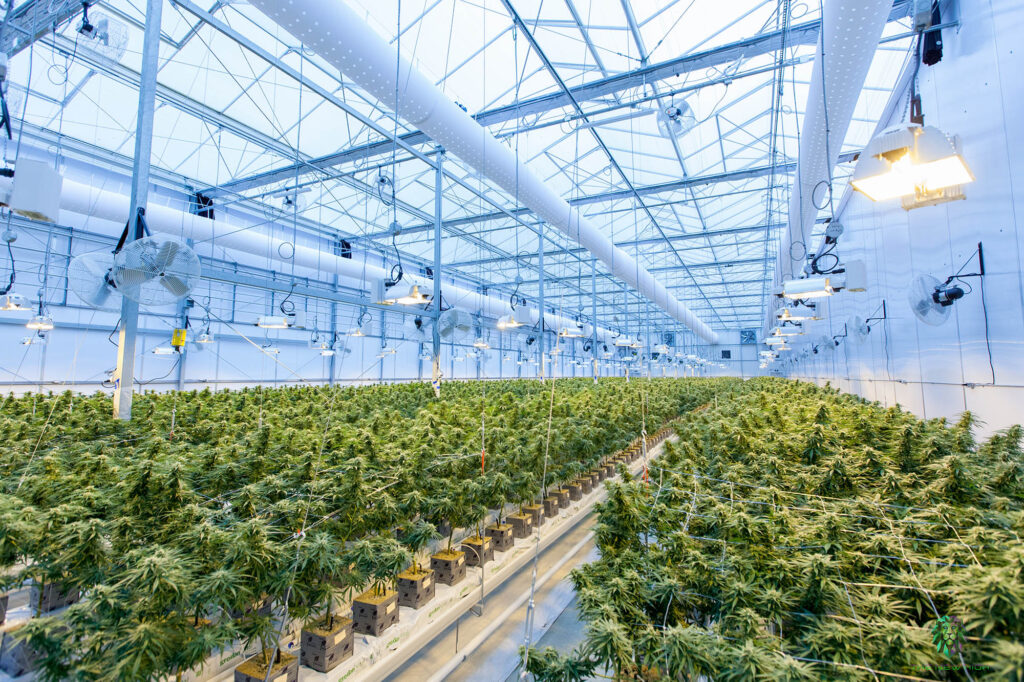
While the economic benefits of legalization are clear—such as job creation and increased tax revenue—the environmental impact of cannabis cultivation is an area that has raised concerns. Large-scale cultivation can be resource-intensive, leading to significant environmental challenges. These challenges include high water consumption, energy use, and the potential for environmental degradation caused by improper waste management or pesticide use.
The Environmental Footprint of Cannabis Cultivation
Water Usage: A Critical Resource
Water is one of the most significant resources required for cannabis cultivation. Cannabis plants need a considerable amount of water to thrive, especially during the flowering phase. For indoor facilities, the water requirements can be further amplified, as water must be regularly cycled through hydroponic systems or irrigation networks.
In Canada, where cannabis cultivation is often concentrated in provinces with vast agricultural regions such as British Columbia and Ontario, the demand for water can strain local water resources. This is particularly concerning in areas where water scarcity is already a concern or where excessive water use could disrupt local ecosystems. For example, some regions in British Columbia have experienced drought-like conditions in recent years, further exacerbating concerns about water consumption in cannabis farming.
Energy Consumption: A Growing Concern
Indoor cannabis cultivation requires artificial lighting, heating, and climate control systems to maintain optimal growing conditions. These systems are energy-intensive, and in some cases, they can lead to a significant carbon footprint. The use of high-intensity discharge lights (HID), which are common in indoor facilities, consumes large amounts of electricity. Even with the growing adoption of more energy-efficient lighting options, such as LED lights, the energy demands of indoor cultivation remain a significant concern.
Outdoor cannabis farms, while benefiting from natural sunlight, still require energy for processing, packaging, and other operational needs. Energy consumption in the cannabis sector is a growing challenge, particularly in the context of Canada’s commitment to reducing greenhouse gas emissions and transitioning to renewable energy sources.
Sustainability Practices in Cannabis Cultivation
Despite the environmental challenges, many cannabis producers in Canada are taking steps to reduce their ecological impact through sustainable practices. These efforts aim to minimize resource usage, lower carbon footprints, and improve the overall environmental sustainability of the cannabis industry.
Water Conservation: Efficient Irrigation Systems
To address the high water usage in cannabis cultivation, many Canadian cannabis growers are implementing advanced irrigation systems. Drip irrigation and other precision watering techniques allow farmers to deliver water directly to the plant roots, reducing water waste and ensuring that plants receive the necessary hydration without overuse. These systems are particularly beneficial in large-scale operations where water conservation is critical.
Additionally, some cannabis producers are investing in water recycling systems that allow them to reuse water within their facilities. By capturing and filtering runoff, these systems reduce the demand for fresh water and help mitigate the strain on local water resources.
Energy-Efficient Technologies: Reducing the Carbon Footprint
The adoption of energy-efficient technologies is another critical step toward sustainability in cannabis cultivation. Indoor facilities are increasingly turning to LED lighting, which consumes less electricity and generates less heat compared to traditional HID lights. LEDs also have a longer lifespan, reducing the frequency of replacement and minimizing electronic waste.
In addition to energy-efficient lighting, some growers are exploring the use of renewable energy sources, such as solar and wind power, to meet their energy needs. By integrating renewable energy systems into their operations, cannabis growers can significantly reduce their carbon footprint and contribute to Canada’s transition to a more sustainable energy future.
Organic Farming Practices: Minimizing Chemical Use
Many cannabis growers in Canada are turning to organic farming practices to reduce the environmental impact of their operations. Organic cultivation eliminates the use of synthetic pesticides and fertilizers, which can contaminate soil and water sources. Instead, organic growers rely on natural pest control methods, such as introducing beneficial insects or using organic pesticides derived from plants or minerals.
Soil health is another focus of organic cannabis farming. By using compost and other organic soil amendments, farmers can improve soil fertility and structure, reducing the need for synthetic inputs. Healthy soil also helps to sequester carbon, contributing to efforts to combat climate change.
Sustainable Packaging: Reducing Plastic Waste
Packaging waste is a significant concern in the cannabis industry. Due to strict regulations on cannabis packaging, products must be packaged in child-resistant, tamper-evident containers. However, this often leads to the use of plastic packaging, which can contribute to environmental pollution.
To combat this, many Canadian cannabis companies are embracing sustainable packaging solutions. Some producers are opting for biodegradable materials, glass, or recyclable plastics to minimize waste. Additionally, cannabis companies are exploring innovative packaging designs that reduce the overall amount of material used while still meeting regulatory requirements.
Challenges in Achieving Sustainability
While many cannabis growers are adopting sustainable practices, there are still several challenges that need to be addressed to make the industry more environmentally friendly.
Regulatory Barriers
The cannabis industry in Canada is heavily regulated, with strict rules governing everything from cultivation practices to packaging and distribution. These regulations can sometimes limit the ability of growers to implement sustainable practices. For example, certain pesticide-free and organic growing methods may not meet the stringent quality standards required for licensed cannabis producers.
Additionally, the packaging regulations often prioritize safety over sustainability, leading to excessive packaging waste. While there is growing demand for more eco-friendly packaging, regulatory changes would be required to make it easier for producers to use sustainable materials.
High Costs of Sustainable Practices
Implementing sustainability practices can be expensive, particularly for smaller cannabis producers. Energy-efficient lighting systems, water recycling infrastructure, and organic certification can require significant upfront investment. For smaller operations with limited financial resources, these costs may be prohibitive.
The challenge is to balance the need for sustainability with the financial realities of running a cannabis farm. Larger, more established companies may have the capital to invest in sustainable technologies, but smaller growers may struggle to compete on the same level.
Market Demand for Eco-Friendly Products
While there is increasing awareness among consumers about the environmental impact of cannabis cultivation, there is still limited market demand for sustainably produced products. Many consumers prioritize price and convenience over environmental considerations, which can make it difficult for sustainable cannabis producers to differentiate themselves in the marketplace.
Educating consumers about the benefits of sustainable cannabis and the importance of making environmentally conscious purchasing decisions will be key to driving demand for eco-friendly products.
Conclusion
The environmental impact of cannabis cultivation in Canada is a complex issue, but one that is being actively addressed by many producers. Through water conservation, energy-efficient technologies, organic farming practices, and sustainable packaging, the cannabis industry is making significant strides toward sustainability. However, challenges such as regulatory barriers, high costs, and limited market demand still need to be overcome.
As the cannabis industry continues to grow, it is essential for both producers and consumers to remain committed to sustainability. With ongoing innovation and a collective effort to reduce the environmental footprint of cannabis farming, Canada can lead the way in creating a more sustainable and eco-friendly cannabis industry.