
Introduction
Cannabis cultivation often begins with a small but crucial element—the seed. Despite the growing legalization of cannabis in many regions and the increasing availability of educational resources, misinformation around cannabis seeds is still widespread. These myths can confuse beginners, lead to poor growing decisions, and even discourage people from starting altogether.
Understanding the truth behind common misconceptions helps growers make informed choices, improve success rates, and appreciate how cannabis genetics really work. Let’s clear up some of the most persistent myths about cannabis seeds and replace them with facts grounded in cultivation science and practical experience.
Myth 1: Darker Cannabis Seeds Are Always Better
One of the most common beliefs is that dark brown or black cannabis seeds are automatically high quality, while lighter seeds are inferior. While color can provide clues about maturity, it is not a reliable indicator of overall seed quality.
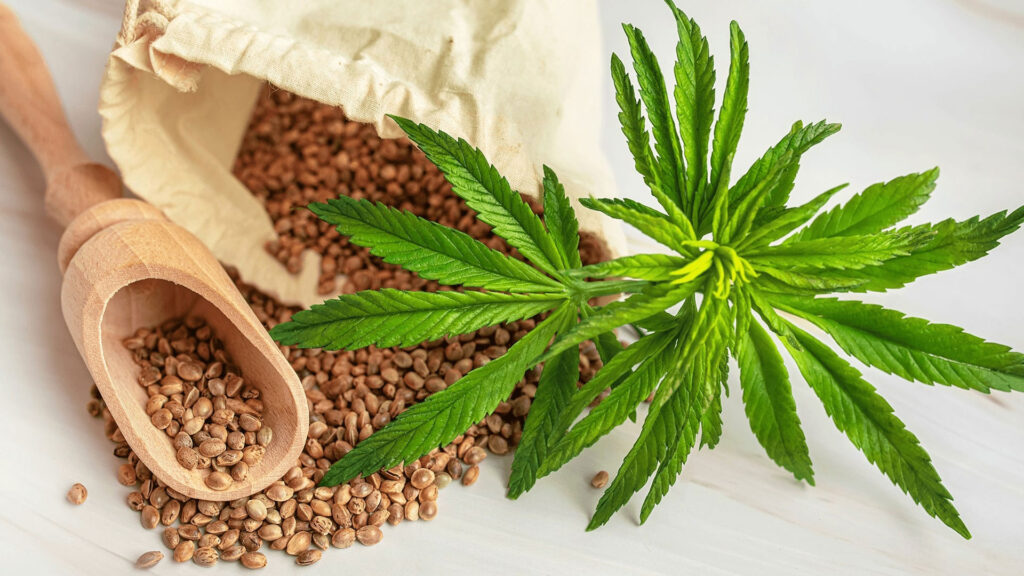
Healthy, mature cannabis seeds often appear brown or tan with a hard outer shell, sometimes featuring tiger-like stripes. However, genetics, strain type, and even growing conditions influence seed appearance. Some viable seeds may be lighter in color, especially if they are freshly harvested.
What matters more than color is seed integrity. A good cannabis seed should feel firm, intact, and resistant to pressure. Cracked shells, soft texture, or visible damage are more accurate signs of poor quality than color alone.
Myth 2: All Cannabis Seeds Will Germinate Easily
Many beginners assume that cannabis seeds are almost foolproof and will sprout no matter what. In reality, germination depends on several factors, including seed age, storage conditions, moisture, temperature, and handling.
Even high-quality seeds may fail to germinate if they are exposed to excessive heat, improper moisture levels, or rough treatment. Old seeds, especially those stored incorrectly, often have lower germination rates.
Successful germination requires patience and attention to detail. Providing a stable, warm, and moist environment dramatically increases the chances of healthy sprouting.
Myth 3: Bigger Seeds Produce Bigger Plants
It’s easy to assume that a larger seed will grow into a larger or stronger cannabis plant. However, seed size has very little correlation with plant size, yield, or potency.
Cannabis growth is determined primarily by genetics, growing conditions, and care throughout the plant’s life cycle. Light exposure, nutrients, root space, and environmental stability play far greater roles than seed dimensions.
A small, healthy seed with strong genetics can outperform a larger seed grown under poor conditions. Size alone is not a predictor of success.
Myth 4: Feminized Seeds Are Unnatural or Unsafe
Feminized seeds are often misunderstood and sometimes viewed as “genetically modified” or harmful. In reality, feminized seeds are produced through controlled breeding techniques, not genetic engineering.
The process involves encouraging a female plant to produce pollen, which is then used to fertilize another female plant. This results in seeds that are overwhelmingly likely to grow into female plants.
Feminized seeds are widely used by both home growers and commercial cultivators because they reduce the risk of male plants, which do not produce usable flowers. When sourced from reputable breeders, feminized seeds are just as safe and stable as regular seeds.
Myth 5: Autoflowering Seeds Are Only for Beginners
Autoflowering cannabis seeds are often marketed as beginner-friendly, leading some to believe they are inferior or unsuitable for experienced growers. While it’s true that autoflowers are easier to manage in some ways, they are not limited to novice use.
Autoflowering strains flower based on age rather than light cycles, making them ideal for quick harvests and environments with inconsistent lighting. Modern autoflower genetics have improved significantly, offering impressive potency, flavor, and yield.
Experienced growers often choose autoflowers for specific goals, such as fast turnaround times or discreet cultivation. They are a strategic choice, not a downgrade.
Myth 6: Old Cannabis Seeds Are Completely Useless
Another widespread belief is that cannabis seeds have a very short shelf life. While freshness does matter, old seeds are not automatically dead.
Cannabis seeds can remain viable for years if stored properly in cool, dark, and dry conditions. Even seeds several years old may still germinate, though they often require more careful handling and patience.
Proper storage—low humidity, stable temperature, and minimal light exposure—can dramatically extend seed longevity. Age reduces viability gradually, not instantly.
Myth 7: Cannabis Seeds Contain THC and Can Get You High
This myth persists largely due to confusion between seeds and other parts of the cannabis plant. Cannabis seeds themselves contain little to no THC or CBD.
Because they lack cannabinoids, cannabis seeds cannot produce psychoactive effects. This is why, in many regions, cannabis seeds are legal to buy and sell even where cannabis flower is restricted.
The psychoactive compounds develop later in the plant’s life, primarily in the flowers of female plants—not in the seeds.
Myth 8: You Can Tell a Plant’s Gender by the Seed
Some growers believe they can identify whether a plant will be male or female simply by examining the seed. Claims about seed shape, markings, or “tails” determining gender are myths with no scientific basis.
Unless seeds are feminized, regular cannabis seeds have roughly a 50/50 chance of producing male or female plants. The plant’s sex only becomes visible during the vegetative-to-flowering transition.
Relying on visual seed traits to predict gender often leads to disappointment and wasted growing time.
Myth 9: Cheap Cannabis Seeds Are Just as Good as Premium Ones
Price alone doesn’t define quality, but extremely cheap cannabis seeds often come with risks. Poor genetics, unstable breeding, low germination rates, and mislabeling are common issues with unreliable sources.
Reputable seed banks invest in genetic stability, proper storage, and quality control. While premium seeds may cost more upfront, they often save time, effort, and resources in the long run.
Choosing seeds based on trust and transparency is far more important than finding the lowest price.
Myth 10: Growing Success Depends Mostly on the Seed
While starting with quality seeds is important, they are only one part of the cultivation equation. Even the best genetics cannot compensate for poor growing conditions.
Light quality, nutrients, airflow, watering habits, and pest control all play major roles in plant health and yield. Conversely, skilled growers can often produce strong plants from average seeds by providing optimal care.
Seeds set the potential, but cultivation determines the outcome.
Also Read: CBD-Rich Cannabis Seeds: Best Strains for Wellness Users
Conclusion
Cannabis seeds are often surrounded by myths that oversimplify or distort how cultivation really works. By separating fact from fiction, growers gain a clearer understanding of genetics, plant behavior, and realistic expectations.
Debunking these myths empowers both beginners and experienced cultivators to make smarter choices—from buying seeds to managing plants throughout their lifecycle. Knowledge, not assumptions, is the most valuable tool in successful cannabis growing.
When cannabis seeds are understood for what they truly are—a starting point, not a guarantee—they become the foundation for more informed, confident, and rewarding cultivation experiences.