

Sleep is one of the most important factors for maintaining overall health and well-being. Yet, millions of people worldwide struggle with insomnia and other sleep-related issues. Traditional solutions like prescription medications, herbal remedies, and lifestyle changes have varying degrees of success. In recent years, many have turned to cannabis as a potential aid for better sleep. But does it truly work, and is it safe? Let’s explore the relationship between cannabis and sleep.
Understanding Insomnia and Its Impact
Insomnia is more than just difficulty falling asleep—it can also mean waking up frequently during the night or waking up too early without being able to fall back asleep. Chronic insomnia can impact mood, productivity, mental clarity, and long-term health. Many people with insomnia seek natural remedies before resorting to stronger medications, and cannabis has increasingly gained attention as a potential solution.
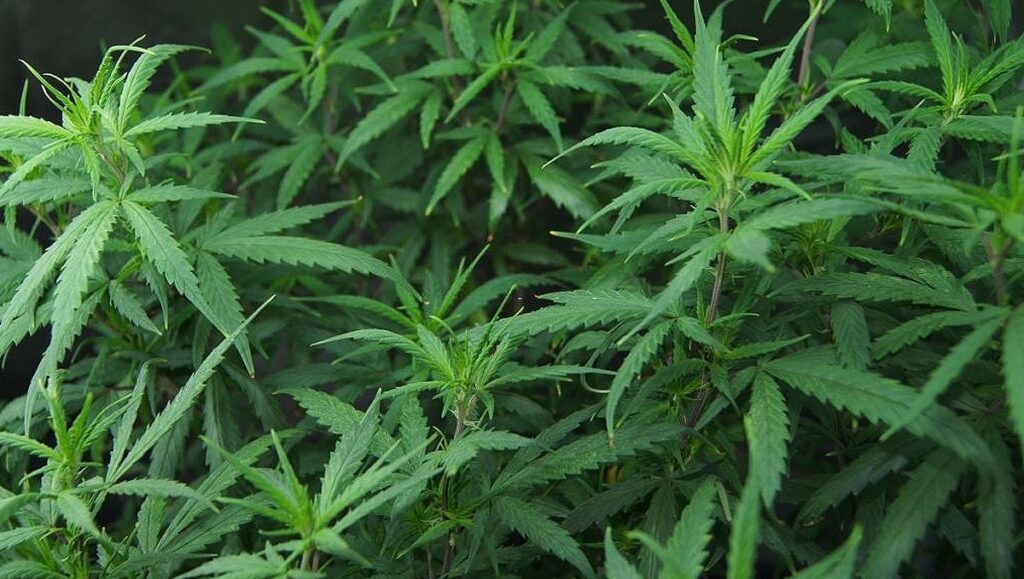
How Cannabis Affects the Body
Cannabis contains compounds known as cannabinoids, which interact with the body’s endocannabinoid system (ECS). This system helps regulate functions like mood, appetite, pain, and, importantly, sleep. The two most well-known cannabinoids are:
- THC (Tetrahydrocannabinol): Known for its psychoactive effects, THC can promote drowsiness and reduce the time it takes to fall asleep.
- CBD (Cannabidiol): Non-intoxicating and often linked to relaxation, CBD may help reduce anxiety and stress, which are common contributors to insomnia.
Together or separately, these cannabinoids can influence sleep patterns, though their effects depend on dosage, strain, and individual body chemistry.
THC and Sleep: Helpful or Harmful?
Some research suggests that THC can help people fall asleep faster. Strains high in THC are often marketed as “sleep-inducing.” However, regular use of high-THC cannabis may lead to reduced REM sleep—the stage of sleep linked to dreaming and memory consolidation. While this can help people who struggle with nightmares, long-term suppression of REM may not be ideal for overall brain health.
CBD and Sleep Quality
Unlike THC, CBD does not produce a high. Instead, it is often praised for its calming effects. Studies have shown that CBD may help reduce anxiety, ease restlessness, and support deeper, more restful sleep. For individuals whose insomnia stems from stress or chronic pain, CBD may be particularly effective.
The Role of Terpenes in Sleep Support
Beyond cannabinoids, cannabis also contains aromatic compounds called terpenes. Certain terpenes, such as myrcene, linalool, and terpinolene, are believed to promote relaxation and sedation. Strains rich in these terpenes may enhance the sleep-promoting effects of cannabinoids, making them popular choices for those struggling with insomnia.
Indica vs. Sativa: Does Strain Type Matter?
Traditionally, Indica strains are thought to be more relaxing, while Sativa strains are considered energizing. Many people with insomnia prefer Indica strains due to their calming effects. However, modern research suggests that the cannabinoid and terpene profile matters more than the simple Indica-Sativa classification. This means a carefully selected hybrid strain could also be effective for sleep support.
Risks and Considerations
While cannabis may help with insomnia, it’s not without risks. Some key considerations include:
- Tolerance and Dependence: Regular use of cannabis, particularly THC, can lead to tolerance, meaning higher doses are needed for the same effect.
- Daytime Drowsiness: Overuse or late-night use of high doses can lead to grogginess the next day.
- Legal and Workplace Issues: Cannabis use is still regulated differently across regions, and workplace policies may restrict its use.
- Individual Reactions: Not everyone reacts the same way. For some, cannabis may actually increase anxiety or cause restlessness.
Alternative Ways Cannabis May Support Sleep
Not everyone wants to smoke or vape cannabis. Fortunately, there are several consumption methods that may support better sleep:
- CBD oils and tinctures – Easy to measure and often fast-acting.
- Edibles – Longer-lasting effects but slower onset, making them useful for staying asleep.
- Topicals – Can ease pain that may interfere with sleep.
- Capsules – Provide precise dosing for consistent results.
What Science Says So Far
Research into cannabis and sleep is still evolving. Some studies show promise, particularly for CBD’s role in reducing anxiety-related insomnia. Others caution about the long-term effects of THC on sleep architecture. Overall, evidence suggests cannabis may help some individuals with insomnia, but more clinical research is needed to fully understand its benefits and risks.
Tips for Using Cannabis for Sleep Safely
If you’re considering cannabis as a sleep aid, here are some practical tips:
- Start Low and Go Slow: Begin with a small dose to see how your body reacts.
- Choose the Right Product: Look for strains or products rich in sleep-friendly cannabinoids and terpenes.
- Time Your Dose: Take cannabis 30 minutes to an hour before bedtime to allow effects to kick in.
- Combine with Good Sleep Hygiene: Practices like limiting screen time, keeping a consistent bedtime, and creating a calm sleep environment will enhance results.
Read Also : The Health Benefits of Cannabis Edibles: What You Should Know
Final Thoughts: Can Cannabis Really Help with Insomnia?
Cannabis may offer relief for people struggling with insomnia, especially when sleeplessness is tied to stress, anxiety, or chronic pain. While THC can help initiate sleep and CBD can promote relaxation, both come with unique benefits and considerations. The key lies in choosing the right dosage, strain, and method of consumption.
For Canadians curious about cannabis and sleep, it’s always best to consult with a healthcare professional, particularly if you’re already taking medications or have ongoing health conditions. While cannabis is not a magic cure, it may be a valuable tool in supporting healthier, more restful nights.