

Introduction
Cannabis is far more complex than just THC and CBD. While these cannabinoids typically steal the spotlight for their psychoactive and therapeutic effects, they’re only part of the equation. One often overlooked but equally essential class of compounds is terpenes. These naturally occurring aromatic oils are what give each cannabis strain its distinctive scent and flavor—from the skunky musk of OG Kush to the citrusy zing of Lemon Haze.
But terpenes do more than just make your weed smell nice. They also play a significant role in modulating the overall effects of cannabis. This is because terpenes interact with cannabinoids and the human endocannabinoid system to shape the way you experience a particular strain. For example, a strain rich in myrcene may produce more sedative, “couch-lock” effects, while one high in limonene might offer a more energetic or euphoric high. This synergy between cannabinoids and terpenes is known as the entourage effect, where the whole plant’s compounds work together to enhance therapeutic benefits.
So the next time you choose a cannabis product, don’t just look at the THC percentage. Consider the terpene profile—because it may have just as much influence on how the strain affects your body and mind.
What Are Terpenes?
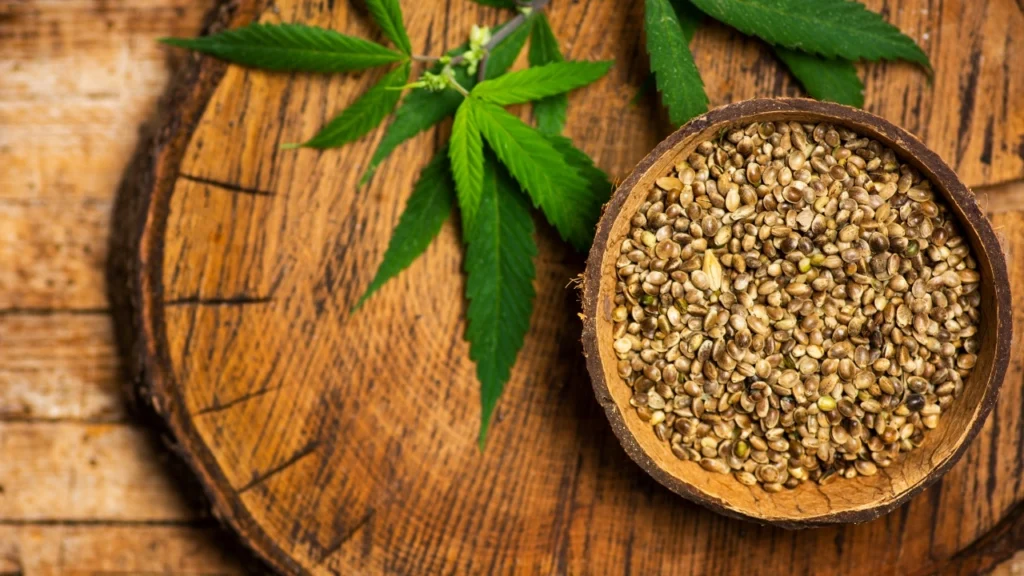
Terpenes are naturally occurring organic compounds found in a wide variety of plants—and they’re responsible for giving those plants their unique scents and flavors. Whether it’s the calming aroma of lavender, the sharp zest of citrus fruits, or the refreshing scent of pine trees, terpenes are what your nose picks up. Cannabis, too, owes much of its distinctive smell and flavor to terpenes. These compounds are produced in the plant’s trichomes—the same resinous glands that create cannabinoids like THC and CBD.
In the cannabis plant, terpenes play more than just a sensory role. Scientists have identified over 100 unique terpenes in cannabis, and each strain exhibits a specific terpene profile. This profile doesn’t just dictate how a strain smells or tastes—it also significantly influences how it affects your body and mind. For example, myrcene, a musky terpene found in many relaxing indica strains, may promote sedation and calm, while limonene, often found in citrus-scented strains, is known for its uplifting and mood-enhancing properties.
Together with cannabinoids, terpenes contribute to the entourage effect—a synergistic interaction that can enhance or modify the therapeutic outcomes of cannabis. This means the experience you get from a particular strain isn’t just about how much THC or CBD it contains—it’s also about which terpenes are present, in what amounts, and how they interact with the rest of the plant’s chemistry.
The Role of Terpenes in Aroma and Flavor
Terpenes are the primary reason why some cannabis strains smell like lemon zest, diesel fuel, fresh pine, or spicy herbs. Here are some of the most common terpenes found in cannabis and their associated scents:
- Myrcene: Earthy, musky, with hints of cloves and cardamom
- Limonene: Bright, citrusy, and sharp
- Pinene: Smells like pine needles or a fresh forest
- Linalool: Floral and slightly spicy—similar to lavender
- Caryophyllene: Peppery, spicy, and woody
These compounds don’t just make cannabis more enjoyable—they also offer potential therapeutic benefits.
Terpenes and the Entourage Effect
One of the most fascinating discoveries in cannabis science is the entourage effect. This theory suggests that cannabinoids and terpenes work together synergistically to produce more balanced and effective results than any one compound alone.
For instance, while THC is known for its psychoactive properties, its effects can be modified or enhanced when combined with specific terpenes. Terpenes can boost the relaxing qualities of indica strains or intensify the energizing properties of sativas.
Examples:
- Limonene + THC may lead to an uplifting, mood-enhancing experience.
- Myrcene + THC may promote a sedative, couch-lock effect.
- Pinene + CBD may enhance alertness and mental clarity.
This interaction helps explain why two strains with similar THC levels can produce very different effects.
How Terpenes Affect Your High
Different terpenes can subtly shift the way you experience cannabis. Here are some examples of common terpenes and their typical effects:
1. Myrcene
- Effects: Sedating, relaxing, muscle-relieving
- Found in: Mangoes, hops, thyme
- Popular strains: Granddaddy Purple, Blue Dream
2. Limonene
- Effects: Energizing, mood-boosting, anti-anxiety
- Found in: Citrus peels, rosemary, peppermint
- Popular strains: Super Lemon Haze, Jack Herer
3. Linalool
- Effects: Calming, stress-relieving, anti-depressive
- Found in: Lavender, mint, cinnamon
- Popular strains: Amnesia Haze, LA Confidential
4. Caryophyllene
- Effects: Anti-inflammatory, stress-reducing, pain-relieving
- Found in: Black pepper, cloves, cinnamon
- Popular strains: Girl Scout Cookies, Bubba Kush
5. Pinene
- Effects: Alertness, memory retention, bronchodilation
- Found in: Pine needles, rosemary, basil
- Popular strains: Jack Herer, Strawberry Cough
Terpenes and Therapeutic Potential
Beyond just shaping your high, terpenes may also provide meaningful health benefits of their own. These aromatic compounds have been studied in the fields of aromatherapy, traditional herbal medicine, and modern pharmacology for their potential therapeutic effects. While terpenes work synergistically with cannabinoids like THC and CBD through the entourage effect, many also show independent medicinal properties that could support mental and physical well-being.
Take linalool, for example. Commonly found in lavender, this terpene is widely recognized for its calming and sedative effects. Research suggests that linalool may help reduce anxiety, improve sleep quality, and even act as a mild antidepressant. This makes strains high in linalool potentially helpful for people dealing with stress-related disorders or insomnia.
Then there’s beta-caryophyllene, a standout terpene due to its unique ability to bind directly to the CB2 receptors in our endocannabinoid system—just like some cannabinoids do. This gives it powerful anti-inflammatory, analgesic (pain-relieving), and potentially neuroprotective properties. Caryophyllene is commonly found in black pepper, cloves, and some cannabis strains, making it especially promising for those seeking relief from chronic pain or inflammatory conditions without heavy intoxication.
Limonene, another well-known terpene, gives citrus fruits their fresh, zesty scent. Beyond its uplifting aroma, limonene is being studied for its ability to reduce stress, improve mood, and support digestive health. Some research has even pointed to its antioxidant and anticancer potential, although much of that data comes from preclinical studies and still requires human trials.
While the science is still emerging and more clinical research is needed to confirm many of these effects, the early findings are promising. What’s becoming increasingly clear is that terpenes do more than just smell good—they may play an important role in enhancing the therapeutic value of cannabis, particularly when consumed as part of a full-spectrum product that preserves these delicate compounds.
Terpene Preservation Matters
Not all cannabis products are created equal when it comes to terpene content. Terpenes are highly volatile aromatic compounds, meaning they can easily degrade, evaporate, or be destroyed if not handled carefully during cultivation, processing, or storage. Because terpenes are delicate and sensitive to heat, light, and air exposure, the method by which cannabis is processed can greatly affect the final product’s aroma, flavor, and therapeutic properties.
For instance, fresh cannabis flower—when properly cured—typically retains more of its original terpene profile than older, dried-out buds. Over time, if flower is stored improperly or exposed to air and light, these precious compounds can break down, leading to a loss in flavor and effectiveness.
This is why cold-extracted oils and live resin concentrates are gaining popularity. These products are created using lower-temperature extraction methods that preserve more of the plant’s native terpenes. Live resin, in particular, is made from flash-frozen cannabis plants that have never been dried or cured, which helps capture a fuller, more accurate terpene profile—resulting in a more potent and flavorful experience.
In addition, proper storage is critical for maintaining terpene integrity. Keeping your cannabis in a cool, dark place—such as a cabinet or drawer—inside airtight, UV-resistant containers helps prevent terpene evaporation. Avoid storing cannabis in plastic bags or clear jars exposed to sunlight, as both can accelerate degradation.
If you’re truly looking to experience the full-spectrum benefits of cannabis—from its nuanced flavors to its tailored effects—always choose high-quality products with lab-verified terpene profiles. This ensures you’re not only getting a potent product, but one that offers the full therapeutic potential of the entourage effect, where cannabinoids and terpenes work together to enhance your experience.es.
How to Choose Terpene-Rich Products
When shopping for cannabis, it’s easy to focus solely on THC or CBD percentages, but doing so may limit your ability to fully tailor your experience. Cannabinoid content alone doesn’t tell the whole story of how a strain will affect you. That’s why it’s essential to consider terpene content—the compounds that influence both the aroma and therapeutic effects of cannabis. Fortunately, many reputable dispensaries now provide lab-tested terpene profiles either on product packaging or online menus. These breakdowns offer valuable insights into a strain’s potential benefits, helping you choose products designed to meet your specific needs—whether you’re seeking deep relaxation, sharper focus, increased energy, or relief from pain and inflammation.
Additionally, opt for full-spectrum products whenever possible. These formulations preserve a wide range of cannabinoids, terpenes, and other natural plant compounds, working synergistically through the entourage effect to enhance therapeutic outcomes. Unlike isolates—which contain only a single compound—full-spectrum products deliver a more holistic experience, staying closer to the plant’s natural state and offering a richer, more nuanced high or relief.
Also Read: How to Store Cannabis Properly for Long-Term Use
Final Thoughts
Terpenes are much more than fragrance-makers—they are active participants in shaping your cannabis experience. Whether you’re looking for deep relaxation, creative energy, or therapeutic relief, the terpene profile of a strain can guide your choice.
As research continues to unlock the secrets of cannabis, terpenes will likely play a central role in future formulations and therapies. So next time you shop for cannabis, follow your nose—and your knowledge of terpenes—to find the perfect match.