
Introduction
Cannabis comes in many forms, but if you’ve ever visited a dispensary or browsed online products, you’ve likely come across three main categories: Indica, Sativa, and Hybrid. These labels are commonly used to help consumers choose strains based on the kind of experience they’re looking for—whether that’s relaxation, energy, creativity, or pain relief.
But what do these terms actually mean? And more importantly, which one is right for you?
In this article, we’ll explore the origins and characteristics of Indica, Sativa, and Hybrid cannabis strains, the effects they’re commonly associated with, and how to choose the best option for your personal needs and lifestyle.
Understanding Cannabis Strain Classifications
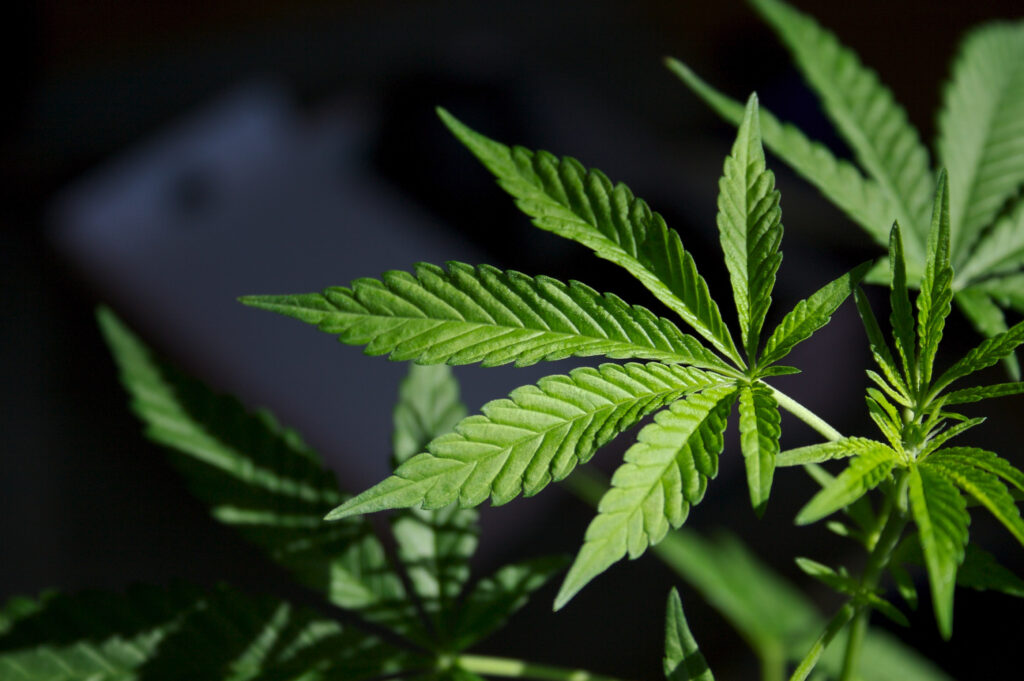
The classification of cannabis into Indica, Sativa, and Hybrid is rooted in the plant’s physical characteristics and geographic origin. Historically, these categories were used by botanists to differentiate plant varieties based on structure and growth habits. Over time, however, the terms have evolved into a shorthand for predicting how a strain might affect the user—though modern science reveals it’s more complex than a simple three-label system.
Despite the growing debate among scientists and cultivators about the accuracy of these labels, they remain useful for consumers as a general guide when selecting a product. Let’s take a closer look at each category.
What Is Indica?
Indica strains are traditionally believed to originate from the Hindu Kush region near Afghanistan, where the environment favored short, bushy plants with broad leaves. These plants evolved to thrive in cooler, mountainous climates, and they tend to have a faster flowering time than their Sativa counterparts.
When it comes to effects, Indica strains are commonly associated with deep physical relaxation, sedation, and stress relief. Many people turn to Indica for unwinding in the evening, easing muscle tension, or promoting sleep. It’s not uncommon to hear Indica referred to as providing a “body high,” in contrast to the “head high” often linked to Sativa strains.
These strains are frequently used by people suffering from conditions such as:
- Chronic pain
- Insomnia
- Anxiety
- Muscle spasms
- Appetite loss
However, it’s important to note that not all Indica strains produce the same effects, as individual chemical profiles vary significantly between cultivars.
What Is Sativa?
Sativa strains originate from regions near the equator, such as Southeast Asia, Central America, and parts of Africa. The plants are typically taller with narrower leaves and require a longer flowering period. Due to their origin, Sativa strains are adapted to thrive in warm climates with long growing seasons.
Sativa strains are known for their uplifting, energizing effects. They are often recommended for daytime use because they can enhance mood, creativity, and focus. Users frequently describe the Sativa experience as cerebral, making it a popular choice for artists, writers, and those looking for an alternative to coffee or other stimulants.
Potential therapeutic uses of Sativa strains include:
- Depression
- Fatigue
- ADHD
- Mood disorders
- Social anxiety
While Sativa strains can be highly beneficial, they may not be ideal for everyone. Some people find that the stimulating effects of Sativa can increase anxiety or trigger restlessness, especially in higher doses.
What Is a Hybrid?
Hybrid strains are created by crossbreeding Indica and Sativa plants. The goal is to combine the desirable traits of both types into one cultivar, resulting in a wide variety of effects that can be tailored to meet individual needs. Hybrids can be Indica-dominant, Sativa-dominant, or balanced, depending on the genetic makeup and intended purpose of the strain.
Because hybrids vary so widely in their chemical profiles, their effects can range from deeply relaxing to highly stimulating. This versatility makes hybrids particularly popular among both recreational and medical cannabis users. They allow for more precise experiences and targeted symptom relief.
For example, a balanced hybrid may offer mental clarity without overwhelming energy, making it a great option for people who want to stay productive without feeling overly wired or sedated. Meanwhile, an Indica-dominant hybrid may be ideal for evening relaxation while still providing some mental stimulation.
Hybrids are commonly used to manage:
- Mild pain or inflammation
- Mild anxiety or depression
- Stress management
- Appetite control
- Creative focus
Because the term “hybrid” encompasses such a broad range of strains, it’s especially important to read product labels and lab test results to understand the specific cannabinoid and terpene profile of any hybrid you’re considering.
The Role of Cannabinoids and Terpenes
While the Indica-Sativa-Hybrid framework is a helpful starting point, it doesn’t tell the whole story. The effects of any cannabis strain are actually determined by its chemical composition, particularly the cannabinoids and terpenes it contains.
Cannabinoids
The most well-known cannabinoids are THC (tetrahydrocannabinol) and CBD (cannabidiol), but there are dozens of others, such as CBN, CBG, and THCV. Each cannabinoid has its own set of effects and therapeutic potential. For instance, THC is psychoactive and associated with euphoria, while CBD is non-psychoactive and often used for anxiety or inflammation.
The ratio of THC to CBD plays a huge role in how a strain feels. A high-THC, low-CBD strain might deliver intense euphoria or anxiety (depending on the user), while a more balanced ratio can offer therapeutic benefits without a strong high.
Terpenes
Terpenes are aromatic compounds that give cannabis its distinctive smell and flavor, but they also influence the plant’s effects. For example:
- Myrcene (found in mangoes and hops) promotes relaxation and sedation.
- Limonene (found in citrus fruits) is uplifting and may reduce stress.
- Pinene (found in pine needles) can support alertness and memory.
- Linalool (found in lavender) may reduce anxiety and aid sleep.
Understanding a strain’s cannabinoid-terpene profile offers a much more reliable way to predict its effects than relying on its classification alone.
How to Choose the Right Strain for You
Choosing the right cannabis strain is highly personal and depends on several factors, including your experience level, intended use, and personal body chemistry. Here are some key considerations to guide your selection:
1. Determine Your Primary Goal
Ask yourself what you’re hoping to achieve. Are you looking for pain relief, better sleep, increased focus, or a mood boost? Your goal will help narrow down whether you need a relaxing Indica, an energizing Sativa, or a tailored Hybrid.
2. Consider the Time of Day
Some strains are better suited for daytime use because they boost energy and alertness, while others are best reserved for evening due to their calming or sedating effects.
- Morning/daytime: Sativa or Sativa-dominant hybrid
- Evening/nighttime: Indica or Indica-dominant hybrid
3. Start Low and Go Slow
If you’re new to cannabis or trying a new strain, start with a low dose and gradually increase until you find the right balance. This approach reduces the risk of unwanted side effects like anxiety or grogginess.
4. Pay Attention to THC and CBD Levels
Review the product label to understand the cannabinoid content. If you’re sensitive to THC or want therapeutic effects without a high, opt for strains with higher CBD content.
5. Look at Lab Results
Always choose products that come with third-party lab testing. These results will show you exactly what cannabinoids and terpenes are present, helping you make an informed decision.
6. Experiment and Take Notes
Cannabis affects everyone differently. Keep a journal to track which strains you try, how much you take, when you use them, and how you feel. Over time, this will help you identify what works best for your body and needs.
Also Read: How to Grow Cannabis: A Beginner’s Guide to Cultivation
Conclusion
The categories of Indica, Sativa, and Hybrid offer a helpful framework for understanding cannabis strains, but they are only the tip of the iceberg. The true effects of a strain depend on its unique blend of cannabinoids and terpenes, as well as how your individual body responds to them.
Whether you’re seeking relief from a medical condition or simply exploring cannabis for wellness or recreation, the key to finding the right strain is education, experimentation, and mindfulness. By learning more about what’s behind the labels, you can make more informed choices and have a more satisfying and effective cannabis experience.
Always consult with a knowledgeable budtender or a healthcare professional, especially if you’re using cannabis for medical purposes or combining it with other medications.