
Introduction
Proper cannabis storage isn’t just about keeping your stash safe—it’s about preserving its potency, flavor, aroma, and safety over time. Whether you’re storing flower, edibles, or extracts, cannabis is sensitive to light, heat, air, and moisture. If exposed to the wrong environment, it can degrade quickly, lose its effects, and even grow mold.
Whether you’re a casual user or a medical cannabis patient, knowing how to store cannabis correctly can make a big difference in your experience and value. In this blog, we’ll explore how to store cannabis for long-term use, common mistakes to avoid, and tips to ensure maximum freshness.
Why Proper Cannabis Storage Matters
Cannabis contains active compounds like THC, CBD, and terpenes. These compounds are delicate and can break down or evaporate when not stored properly. Improper storage leads to:
- Loss of potency (THC turns into CBN over time)
- Degraded aroma and flavor (terpenes evaporate)
- Mold or mildew growth (due to excess moisture)
- Dry, brittle buds (due to too much air exposure)
If you want to get the full effect, taste, and shelf life out of your cannabis, investing in proper storage is essential.
Best Ways to Store Cannabis Flower
1. Use Airtight Glass Jars
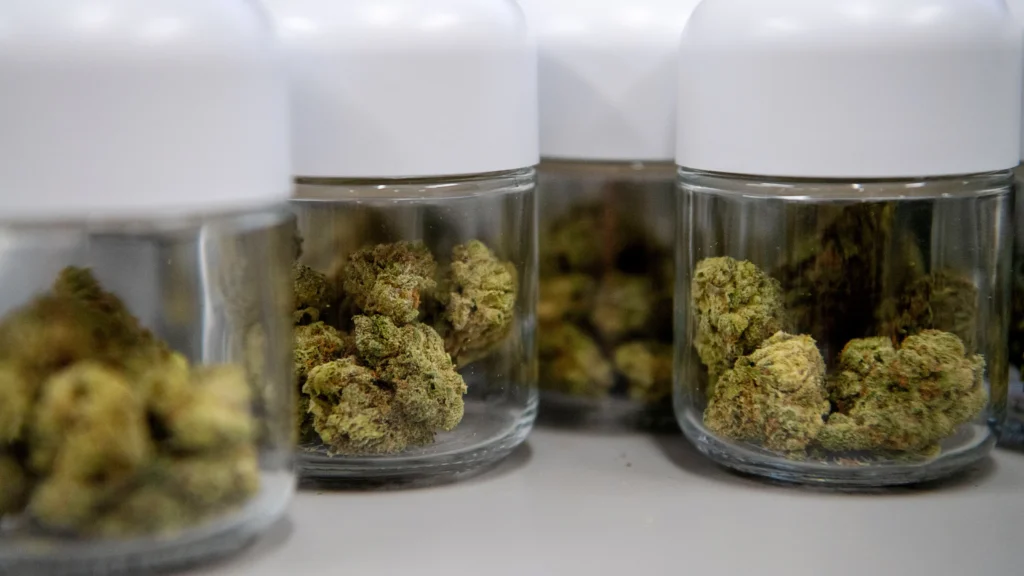
Mason jars or tinted airtight glass containers are ideal for storing buds. Glass is non-reactive and doesn’t hold onto odors or moisture like plastic.
Tip: Amber or dark-colored glass helps protect against UV light.
2. Keep It Cool, Not Cold
Store cannabis in a cool place, ideally between 15–21°C (60–70°F). Avoid heat, which can dry out trichomes and degrade cannabinoids.
Avoid: Refrigerators or freezers—they introduce moisture and fluctuating temperatures.
3. Control Humidity Levels
Maintaining relative humidity between 55–62% helps preserve texture and prevent mold. Use humidity control packs (like Boveda) inside your storage container.
4. Avoid Air Exposure
Oxygen degrades cannabinoids over time. Always seal your container tightly and don’t open it unnecessarily.
5. Keep Away from Light
UV light breaks down THC and other cannabinoids quickly. Store your cannabis in a dark cupboard or drawer, or use tinted jars.
How to Store Edibles
Cannabis-infused edibles—such as gummies, chocolates, baked goods, and even beverages—offer a delicious and discreet way to consume cannabinoids like THC and CBD. However, unlike dried cannabis flower, these products contain perishable food ingredients, which means they require more attention when it comes to storage. If stored improperly, edibles can lose their potency, spoil quickly, or even become unsafe to consume.
The first and most important rule of storing edibles is to check the label. Reputable manufacturers often provide detailed instructions on how to best preserve the product. Different types of edibles have different shelf lives. For instance, chocolates and caramels may be more shelf-stable at room temperature, while items made with butter, milk, or eggs—like brownies, cookies, or infused pastries—generally need to be refrigerated. Refrigeration helps prevent spoilage, mold growth, and the breakdown of active compounds.
If you’re not planning to consume your edibles within a week or two, freezing is your best option. Airtight, freezer-safe containers help lock in cannabinoids and preserve flavor, while also shielding the edibles from light, oxygen, and moisture—all of which can degrade both the cannabis content and the food itself. When frozen correctly, many edibles can last for several months without significant loss in potency or quality.
It’s also important to avoid hot or humid environments, such as windowsills, kitchen countertops near ovens, or bathrooms. Excess heat can cause edibles to melt or separate, especially chocolates or oil-based items, and it speeds up the degradation of cannabinoids. Moisture, on the other hand, can make baked goods soggy and promote bacterial or fungal growth, rendering the product unsafe.
Proper cannabis edible storage isn’t just about extending shelf life—it’s about ensuring consistency, safety, and effectiveness. Whether you’re using edibles for recreation or therapeutic purposes, taking the time to store them correctly means you’ll get the intended benefits every time you consume them.
How to Store Cannabis Oils, Tinctures, and Concentrates
Cannabis extracts—such as oils, tinctures, and concentrates—are highly potent and often come at a premium price, making proper storage essential to protect both their effectiveness and shelf life. These products are sensitive to light, air, and heat, all of which can degrade their potency over time. To ensure maximum preservation, extracts should be stored in dark-colored glass dropper bottles or non-stick silicone containers designed to minimize exposure to external elements. The dark glass helps block out harmful UV rays, which can break down cannabinoids like THC and CBD, while the airtight seal prevents oxidation.
Ideally, store these containers in a cool, dark place, such as a cupboard, medicine cabinet, or drawer away from heat-producing appliances. Direct sunlight and warm temperatures can cause oils and tinctures to lose their strength and alter their flavor. For concentrates like wax, live resin, rosin, or shatter, refrigeration is recommended to maintain their consistency and prevent terpene loss. However, they should never be frozen, as freezing can introduce condensation and affect their texture. Always seal them tightly after each use to limit air exposure and preserve their aroma, potency, and purity. With the right care, your cannabis extracts can remain fresh and effective for months or even years.
What to Avoid When Storing Cannabis
When it comes to storing cannabis, even the most expensive or high-quality products can lose their potency and flavor quickly if not handled properly. Many users, especially beginners, unintentionally make storage mistakes that can drastically shorten the shelf life of their cannabis. To maintain freshness, potency, and safety, it’s important to understand what not to do.
One of the most common mistakes is using plastic bags to store cannabis flower. While convenient, plastic bags generate static electricity, which can pull delicate trichomes—the tiny, crystal-like structures that contain cannabinoids and terpenes—off the buds. This leads to a noticeable reduction in both potency and aroma. Additionally, plastic doesn’t provide a proper air seal, which increases the risk of oxidation and moisture intrusion.
Another harmful habit is storing cannabis near electronics or heat sources, such as laptops, ovens, or direct sunlight. Heat is the enemy of cannabinoids like THC and CBD, causing them to degrade much faster than they would in a cool environment. Constant warmth also dries out the flower, making it brittle and harsh to smoke or vape. Ideally, cannabis should be stored at a temperature between 15–21°C (60–70°F), away from any appliance that produces heat.
Exposing cannabis to frequent air is another mistake that shortens its lifespan. Every time you open your storage jar, fresh air and humidity enter the container, which speeds up oxidation and moisture imbalances. Over time, this can lead to a dull, flavorless product—or worse, mold growth. To minimize exposure, only open the jar when needed and reseal it promptly and tightly.
Finally, many users skip humidity control altogether, assuming a sealed jar is enough. However, without maintaining optimal relative humidity (RH)—ideally between 55% and 62%—the buds can become either too dry (losing terpenes and becoming harsh) or too moist (risking mold). Using humidity control packs is an easy, inexpensive way to protect your cannabis.
Avoiding these common mistakes can significantly extend the shelf life of your cannabis, ensuring it stays fresh, potent, and enjoyable over time.
How Long Does Cannabis Stay Fresh?
When it comes to cannabis, shelf life varies widely depending on the product type and how well it is stored. Proper storage not only preserves potency but also ensures safety and quality over time.
Dried cannabis flower typically stays fresh and potent for six months to one year when stored correctly. The key is to keep it in a cool, dark place using airtight glass containers with humidity control packs. Exposure to air, light, or moisture can cause cannabinoids and terpenes to degrade, making the flower less effective and flavorful.
Cannabis-infused edibles—like gummies, chocolates, or baked goods—have a shorter shelf life. It’s essential to follow the expiration dates provided by the manufacturer. For homemade edibles, refrigeration is crucial; they generally last 1 to 2 weeks in the fridge. For longer-term storage, freezing is ideal. When properly sealed, edibles can last several months in the freezer without significant loss of potency or flavor.
Cannabis oils and tinctures tend to have the longest shelf life among cannabis products. If unopened and stored in a cool, dark place, these products can remain effective for 1 to 2 years. Light and heat are the biggest threats, as they accelerate the breakdown of cannabinoids.
Concentrates such as wax, shatter, live resin, or rosin can also maintain their strength for six months to a year, particularly when stored in the refrigerator. Cold temperatures help preserve terpenes and cannabinoids, but they should not be frozen, as that may affect texture and quality. Always keep concentrates tightly sealed in their original containers to minimize air exposure.
By understanding the unique needs of each product, users can extend the shelf life of their cannabis and ensure a consistent, effective experience every time.
Also Read: Indica vs. Sativa vs. Hybrid: Which Cannabis Strain Is Right for You?
Final Thoughts
Storing cannabis properly is just as important as choosing the right strain. When you control temperature, humidity, air, and light exposure, you extend the life of your cannabis and preserve the very qualities you bought it for—potency, flavor, and safety.
Whether you’re saving your best buds, stocking up on edibles, or managing medical cannabis, the right storage habits can help you get the most out of every gram.